
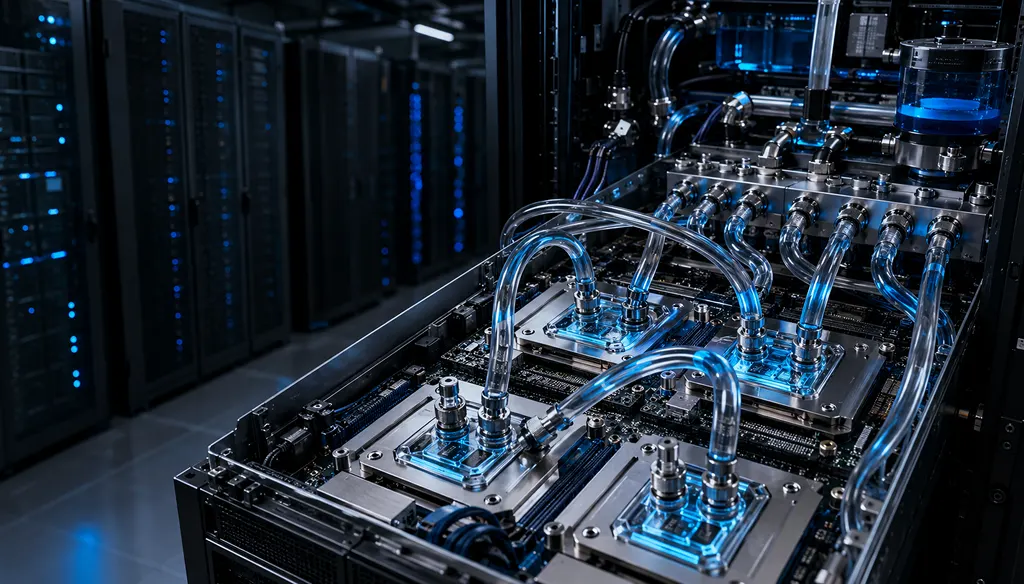
Data centres are handling more work than ever before. Artificial intelligence, cloud computing, big data, and high-performance applications place heavy pressure on servers. As servers become more powerful, they also create more heat. Traditional air cooling often struggles to keep temperatures under control, especially in high-density environments. This is why many businesses are looking at better cooling methods. One of the most effective options today is direct-to-chip cooling. It removes heat from the source, helping systems perform better while using less energy.
In this blog, we will explain how it works, its key benefits, and where businesses use it.
Why Cooling Matters in Modern Data Centres
Every server creates heat while running applications. When heat builds up, it can slow down performance, reduce hardware life, and even cause unexpected downtime. Cooling is not just about keeping equipment cold. It helps businesses protect valuable systems, lower operating costs, and maintain reliable performance.
Modern processors are becoming smaller but much more powerful. They handle larger workloads than older hardware, which means they produce higher temperatures. Air cooling works well for many standard systems, but it becomes less effective as server density increases.
This is where better cooling methods become important. Businesses need solutions that can remove heat quickly without increasing power use or taking up extra space.
What Is Direct-to-Chip Liquid Cooling?
Direct liquid cooling is a cooling method where liquid flows through special cold plates placed directly on high-heat components such as CPUs and GPUs. Instead of cooling the entire server with cold air, the liquid absorbs heat directly from the processor before carrying it away.
The liquid moves through a closed system, so it does not come into contact with electronic parts. The warmed liquid then travels to a cooling unit, where the heat is removed before the liquid returns to the server.
Because heat is captured at its source, this method keeps processors running at stable temperatures even during demanding workloads.
How Does Direct-to-Chip Cooling Work?
The cooling process follows a simple cycle:
- Cold liquid enters the cooling plate attached to the processor.
- The processor transfers heat to the liquid.
- Warm liquid leaves the server through sealed pipes.
- The cooling system removes the heat from the liquid.
- The cooled liquid returns to repeat the cycle.
Since heat is removed directly from the processor, the server does not depend entirely on large volumes of moving air.
Key Benefits of Direct-to-Chip Cooling
Better Heat Removal
Processors generate heat in very small areas. Removing heat directly from these components helps maintain stable operating temperatures, even during demanding workloads.
Lower Energy Costs
Cooling systems often account for a large part of data centre power consumption. Since liquid transfers heat more efficiently than air, businesses can reduce the energy needed for cooling equipment.
Higher Server Performance
When processors stay cooler, they can continue running at higher speeds without slowing down due to overheating. This helps applications perform more consistently.
More Computing Power in Less Space
Many organisations want to install more servers without expanding their facilities. Better cooling allows higher rack density while keeping temperatures under control.
Longer Hardware Life
Excessive heat can shorten the lifespan of processors, memory, and other components. Stable temperatures help reduce wear and support longer equipment life.
Quieter Data Centres
Traditional cooling often depends on high-speed fans. Liquid-based cooling reduces the need for large amounts of airflow, making server rooms quieter.
Where Is This Cooling Method Used?
Many industries now rely on advanced cooling because their systems run demanding workloads around the clock.
Artificial Intelligence
AI training uses powerful GPUs that generate significant heat. Efficient cooling helps these systems run longer without performance issues.
High Performance Computing
Scientific research, weather forecasting, engineering simulations, and complex calculations require servers that operate at full capacity for extended periods.
Cloud Service Providers
Cloud platforms support thousands of users at the same time. Stable cooling helps maintain reliable performance across large server environments.
Financial Services
Banks and financial institutions process millions of transactions every day. Reliable cooling supports uninterrupted operation of important applications.
Healthcare
Medical research, imaging systems, and patient data processing require dependable computing systems that remain available whenever needed.
Manufacturing
Factories use data analysis, automation, and digital monitoring systems that depend on powerful servers operating continuously.
Direct-to-Chip Cooling vs Traditional Air Cooling
Air cooling pushes cold air through servers using fans and air conditioning systems. While this works well for many standard environments, it becomes more difficult as processor power increases.
Liquid removes heat much faster than air. This allows businesses to cool high-performance processors without dramatically increasing airflow or power consumption.
Another advantage is space efficiency. Large air cooling systems often require additional room for airflow management. Liquid cooling reduces this need, allowing more computing equipment within the same data centre footprint.
Is Direct-to-Chip Cooling Safe?
Many people worry about liquid near electronic equipment. However, these systems are designed with safety in mind.
The cooling liquid flows inside sealed pipes and cold plates. It never touches the electronic circuits. Modern systems also include monitoring tools that check pressure, temperature, and flow rates.
With proper installation and regular maintenance, this cooling method has become a trusted choice for many enterprise data centres around the world.
The Future of Liquid Cooling
The demand for faster computing continues to grow. Artificial intelligence, machine learning, cloud services, and advanced analytics all require more powerful processors.
As processor power increases, traditional cooling methods will face greater challenges. Businesses are already investing in liquid cooling technology to support future infrastructure without significantly increasing energy costs.
Many new data centre designs now include liquid cooling from the beginning because it supports higher performance while helping businesses control operating expenses.
The growing adoption of server liquid cooling also reflects the industry’s focus on energy efficiency, sustainability, and reliable computing. As workloads become more demanding, cooling solutions that remove heat quickly will play an even bigger role in modern IT environments.
Why Choose GoData Global for Direct-to-Chip Liquid Cooling?
We deliver advanced direct-to-chip cooling solutions that help businesses improve data centre efficiency and performance. Our liquid cooling technology can deliver up to 40% energy savings while supporting up to 30% longer hardware lifespan by maintaining stable operating temperatures. This helps organisations manage demanding workloads with greater reliability, scalability, and long-term operational efficiency.
Conclusion
As computing demands continue to grow, choosing the right cooling solution becomes an important part of building a reliable and efficient data centre. Direct-to-chip liquid cooling offers a practical way to handle higher workloads while supporting long-term infrastructure goals.
Looking for the right solution for your business? Contact GoData Global to explore advanced data centre cooling solutions tailored to your infrastructure and future growth.